By James Poole in collaboration with Mix 92.6 FM’s ‘Mix at the Flicks’.
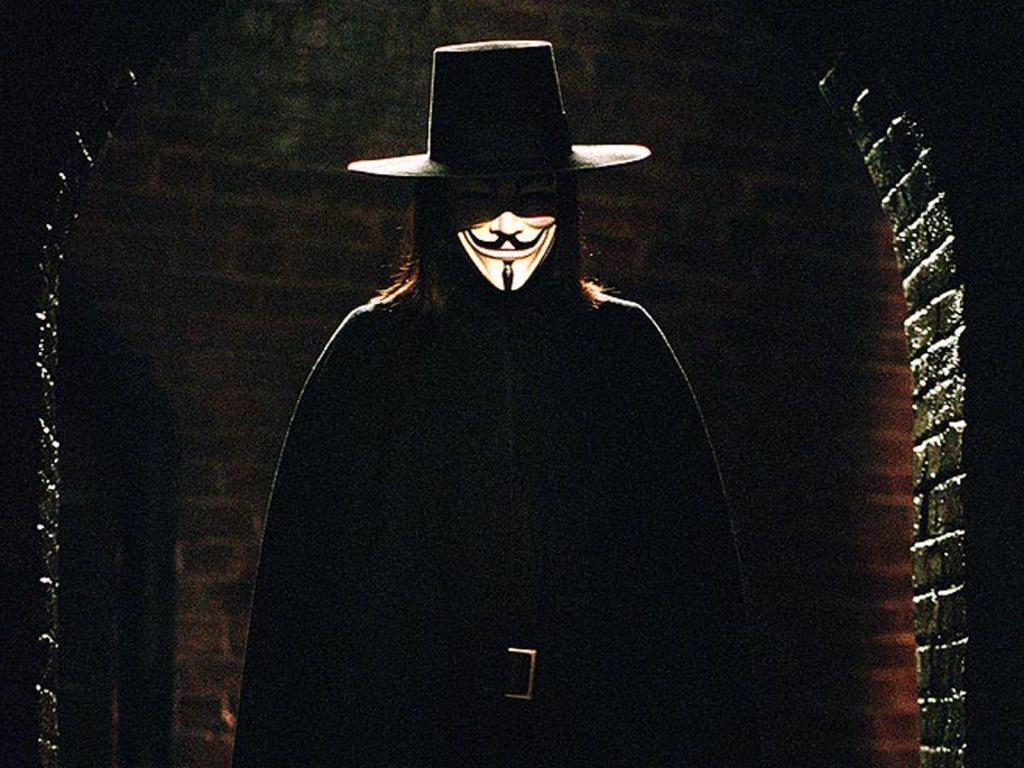
V for Vendetta is a 2005 dystopian thriller film directed by James McTeigue in his directorial debut, from a screenplay by the minds behind the Matrix, the Wachowski sisters. Starring Hugo Weaving, Natalie Portman and John Hurt, the film centres around the eponymous V, a Guy Fawkes masked freedom fighter on a quest to incite revolution against the totalitarian Norsefire government, using fireworks as his signature weapon.
It’s that time of year, isn’t it? When we as a nation gather at our local parks, or our friends and families’ gardens to enjoy the spectacle of Bonfire Night and promise to always ‘remember, remember, the 5th of November’. But what does remembering the 5th of November mean to us? This celebration, of course, commemorates the failure of the Gunpowder plot, where a group of English Catholics, including Guy Fawkes, attempted to blow up the Houses of Parliament, assassinating King James I and replacing him with a Catholic monarch. Over time, these political and religious associations have faded, and Bonfire Night has turned into a community event that symbolizes fun and togetherness. And is that what history would want? Perhaps the biggest punishment for people who will go to such extreme lengths to make their mark on history is irrelevance, after all.
I think the answer depends on how closely you root for V, as this film uses him to reimagine the essence of Guy Fawkes’ rebellion in a modern, dystopian setting. And whatever he is in this film, whether you see him as a hero, a villain or an antihero (and the film is so well written that this is genuinely up for debate), the one thing that isn’t up for debate is his relevance. In this world, as he stands up against a far-right totalitarian government and executes those considered ‘undesirable’, V represents everyone who requests what should be their basic right to freedom. Unfortunately for Norsefire, that happens to be the millions of people their regime have oppressed. As V himself says ‘people should not fear their government. The government should fear their people’.
And perhaps that is why V succeeded where Guy Fawkes failed – because of who he represented. Guy Fawkes fought as one man against a system, V fights as the embodiment of every person oppressed by it. So when the public start wearing V’s mask, he becomes more than a man – he becomes an idea, a movement, that can be shared, taught and fought for. It transcends one human life; in the eyes of many, it becomes worth living for. Where Fawkes’ rebellion dies with him, V’s lives on in the hearts of the people he inspires.
To conclude, I’d recommend V for Vendetta, available on Blu-ray, DVD and Amazon Prime, to anyone attending fireworks night this weekend. When I finished watching this film, the question I asked myself was this. ‘What would fireworks night have come to represent in V’s world?’ Like I said earlier, I believe the original intention of commemorating Guy Fawkes failure has been somewhat forgotten – and for good reason too. I think there’s a beautiful irony in celebrating an event that once threatened to divide the nation by now bringing people together. And is togetherness what would have been celebrated for years afterwards on Bonfire Night in V’s world? I think so – as I mentioned earlier, the oppressed nation becomes united by V’s movement.
So when we all gather at Verulamium Park this weekend, watch the sky become illuminated with fireworks and cherish the time spent with our loved ones, I think it’s worth asking the question ‘what has happened for us to be able to enjoy these moments?’ As V for Vendetta shows us, after all, such moments rarely come without hardship.
 Herts Reels
Leave a comment